Coworkers in an open plan office

Beyond Recovery: A Digital Future for MSMEs

After a prolonged period of economic uncertainty and the lingering impacts of the Covid pandemic, African MSMEs are now at a pivotal moment. While October 2024 marked a pause in our content, today we return and touch on a new era where digital innovation, resilience, and strategic adaptation are transforming the business landscape.

This blog explores how MSMEs in South Africa and across Africa are embracing digital transformation to unlock growth, secure financing, and drive operational efficiency. We also draw lessons from global trends to chart a path for a sustainable future.

1. The Digital Transformation Wave

African MSMEs are increasingly leveraging digital tools to overcome traditional business challenges. The African Development Bank’s Digital Transformation Initiative illustrates how technology is bridging gaps in areas such as fintech, e-commerce, and remote operations. By integrating digital solutions, businesses are streamlining processes, reducing costs, and reaching new markets.

2. Financial Resilience through Innovation

Access to traditional financing remains challenging. However, innovative fintech solutions are bridging the gap. For example, platforms like Flutterwave Solutions and Safaricom’s M-Pesa are not only enabling smoother transactions but also opening up alternative financing channels. The International Finance Corporation’s initiatives on SME finance provide further insight into how digital finance is reshaping the lending landscape for MSMEs.

3. Government Support and Policy Initiatives

In South Africa, government efforts continue to support small businesses through targeted policies and funding programs. Although access to finance remains a hurdle, the National Treasury’s Reports highlight ongoing initiatives designed to ease capital constraints. Combined with supportive policy measures across Africa, these efforts are gradually transforming the financial landscape for MSMEs.

4. Embracing Global Trends: Lessons and Opportunities

Globally, MSMEs are tapping into emerging technologies to drive efficiency and growth:

  • AI & Automation: In markets such as the US and Europe, small businesses are leveraging AI tools to streamline operations and reduce overhead costs. African MSMEs can learn from these trends to adopt scalable solutions.
  • Local Manufacturing: A shift towards local production is gaining momentum, reducing supply chain vulnerabilities—a model worth exploring in the African context.
  • Sustainable Practices: Investors and consumers increasingly favor green business models, making sustainability a competitive advantage.

For a comprehensive look at how technology is fueling economic development worldwide, visit the World Bank’s Digital Development page.


Strategies for Thriving in 2025

1. Strengthen Financial Resilience

  • Explore alternative funding options such as venture capital, crowdfunding, and fintech lending platforms.
  • Leverage government support programs and engage actively in industry networks to improve funding access.

2. Accelerate Digital Transformation

3. Tap into Regional & Global Markets

  • Explore export opportunities through the African Continental Free Trade Area (AfCFTA) and other trade partnerships.
  • Prioritize upskilling staff through online courses available on FutureLearn and Coursera’s Business Courses.

4. Build Resilient Supply Chains


A Call to Action

The future is digital, and the time for transformation is now. African MSMEs—whether in South Africa or across the continent—have a unique opportunity to redefine their trajectories through digital innovation and strategic adaptation.

Ready to lead the digital revolution in your business?

Browse Level Up Your Digital for resources, expert insights, and support to propel your MSME into a prosperous 2025 and beyond.
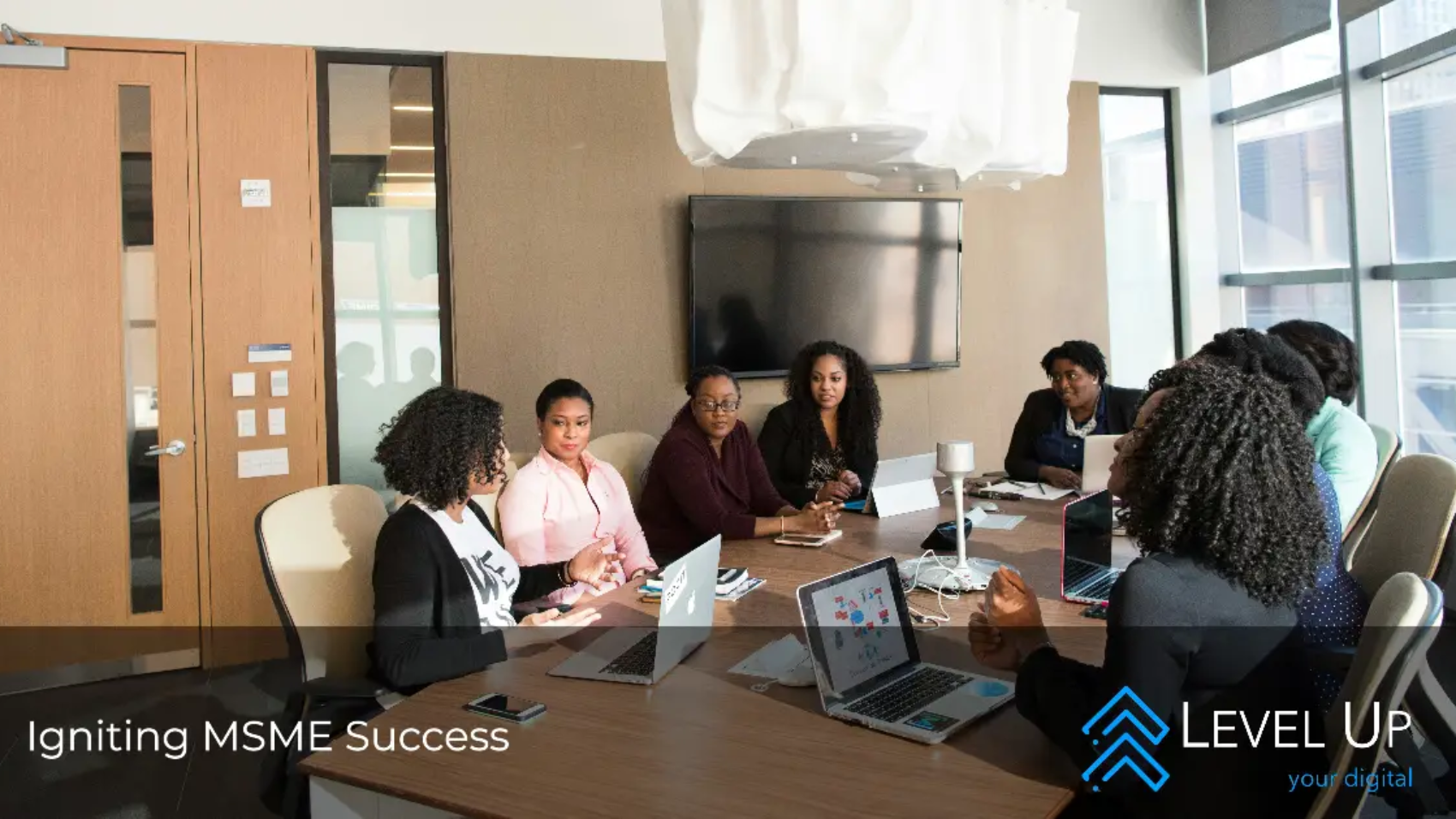

A diverse group of people meeting around a table with laptops

AI Isn’t Just for Big Brands Anymore

Artificial Intelligence (AI) and automation are becoming essential for businesses of all sizes, including Micro, Small, and Medium Enterprises (MSMEs). While AI might seem like something only big corporations can afford, that’s no longer the case—even in Africa. There are affordable, user-friendly AI and automation tools available to help MSMEs streamline operations, grow their customer base, and improve efficiency.

In this post, we’ll explore how African MSMEs can leverage AI and automation tools to compete with larger companies—all while staying within budget and using tools that are accessible on the continent.

1. Automating Repetitive Tasks: Freeing Up Time for Growth

Big brands automate repetitive tasks, allowing their teams to focus on strategy and growth. MSMEs in Africa can achieve similar results by automating routine tasks like invoicing, customer follow-ups, or social media management.

Inclusive Application for MSMEs:

Tools like Zoho and Zapier offer affordable solutions for automating daily operations, making them more budget-friendly for MSMEs in Africa. Zoho is especially notable because it offers flexible pricing and has regional pricing tiers for African markets, making it more accessible than other international tools.

While Zoho offers an all-in-one suite for business management, including CRM and project management, Zapier focuses on automating workflows by connecting multiple apps, making it a powerful tool for integrating and streamlining operations across different platforms.

A Practical Example:

A local tech startup could use Zoho to automate its invoicing and customer relationship management processes. By automating repetitive tasks, they’ll free up time to focus on building their customer base across the region they operate in, contributing to revenue increase.

2. Customer Service: Providing Support Anytime, Anywhere

Big brands rely on AI-powered chatbots for customer service. MSMEs can use affordable versions of the same technology to provide 24/7 customer support without hiring a large team.

How MSMEs Can Apply This:

Tools like Tidio and Freshchat offer chatbots that are affordable and easy to use. Both platforms have global reach but are priced with small businesses in mind. For businesses operating in Africa, Freshchat also offers multilingual support, ensuring you can engage with a broad range of customers across the continent.

A Practical Example:

An eco-tourism company can use Freshchat to manage customer inquiries and bookings. This allowed the business to offer customer service in multiple languages, catering to local and international tourists.

3. Smarter Marketing: Personalising for Diverse Audiences

AI allows big brands to deliver personalised marketing campaigns. African MSMEs can use AI-powered tools to send tailored messages to different audience segments, ensuring inclusivity and relevance.

How MSMEs Can Apply This:

Mailchimp and Brevo (ex. Sendinblue) offer affordable email marketing tools that include AI-powered personalisation. Both platforms provide flexible pricing based on the number of subscribers, making them accessible to smaller businesses in Africa. Brevo is particularly affordable, with options that fit the budgets of growing African MSMEs.

A Practical Example:

A small fashion brand can use Brevo to create personalised email campaigns based on customer preferences. By tailoring the content for local festivals and cultural events, the brand can see an increase in engagement and sales during key holiday periods.

4. Data-Driven Decisions: Understanding Your Customers

Big brands rely on data to make decisions. MSMEs can now access similar insights through affordable AI tools, helping them better understand their customers and make data-driven decisions.

How MSMEs Can Apply This:

Platforms like Google Analytics and Plecto offer powerful analytics tools that are either free or affordable. Google Analytics is an excellent choice for MSMEs across Africa, providing key insights without any cost. For more detailed performance tracking, Plecto is affordable and user-friendly, offering real-time data analysis tailored to businesses in different sectors.

A Pratical Example:

A South African non-profit can use Google Analytics to track visitor behavior on their website. By analysing the data, you can discover key pages where users dropped off and implemented changes that improve engagement and can possibly raise donations.

5. Content Creation for All: AI-Driven Social Media and Blogs

Big companies have large teams for content creation, but MSMEs in Africa can use AI-powered tools to create engaging content more efficiently.

How MSMEs Can Apply This:

Tools like Jasper (formerly Jarvis) help MSMEs generate blog content and social media posts quickly. Canva, which offers regional pricing and affordable options, enables businesses to create high-quality visuals, even with minimal design experience. Both platforms offer accessible solutions that cater to various budgets, making them perfect for the African market.

A Practical Example:

An NGO can use Canva to create visually engaging social media content in multiple languages. This will help them reach diverse audiences across Africa, leading to greater visibility and support for their initiatives.

Start Small, Think Locally

AI and automation aren’t reserved for big businesses—they’re tools that African MSMEs can use to scale, streamline operations, and create more inclusive customer experiences. Starting small with the right tools, while considering local market needs and affordability, can make all the difference.

Inclusivity and accessibility are key, this can be seen by the immense success big brands have with marketing strategies that are not just pushing products. By choosing tools that cater to a variety of customer needs and fit within African budgets, MSMEs can compete with global brands while staying true to their communities.

Photo by Christina @ wocintechchat.com on Unsplash

A user wearing a VR headset and interacting with a virtual customer in a metaverse store.

Metaverse for Small Business: Your Guide to Virtual Growth

Let’s step out of our everyday realities and talk about the metaverse for a bit. While it may not be your everyday business concern, exploring the metaverse is a leap into the digital future that could open up exciting new avenues for your brand.

What is the Metaverse, Really?

The “metaverse” is everywhere these days, but what does it really mean for your small business? Beyond the hype and virtual reality headsets, the metaverse for small business is a concept that’s reshaping how we connect, work, and even make money online. Don’t worry if it seems a bit overwhelming; let’s break it down together.

Think of the metaverse as a network of virtual worlds. Instead of just browsing websites, you can step into these worlds, interact with others as avatars, attend events, shop, and even work. Its kind of like the internet, but more immersive and interactive.

Why Should Small Businesses Care?

  • New Ways to Connect: The metaverse opens up fresh opportunities to reach your audience. Imagine hosting virtual product launches, workshops, or even a virtual storefront where customers can “walk” around and browse.
  • Enhanced Engagement: You can create experiences that go beyond traditional social media posts. Picture your customers trying on clothes virtually or attending a concert by their favorite artist – all within your branded space.
  • Global Reach: Physical location becomes less of a barrier in the metaverse. You can reach customers from all over the world in a way that feels more personal than a website.
  • Level Playing Field: For small businesses, the metaverse can be a game-changer. It offers a chance to compete with bigger companies by creating unique, engaging experiences.

Getting Started: Tips for Small Businesses in the Metaverse

So while this might feel a little out of reach at the moment or much further down the road, nothing stops you from researching and learning about the metaverse so that you’re not caught on the backfoot, you might be surprised with what is already here and possible. Here are some tips on how you can go about getting started:

  1. Educate Yourself: Explore existing metaverse platforms and get a feel for what’s possible.
  2. Start Small: You don’t need a huge budget. Experiment with virtual events or create a simple presence on a platform to learn what resonates with your audience.
  3. Partner Up: Collaborate with other businesses or creators. This can help you share resources and reach a wider audience.
  4. Focus on Accessibility: Not everyone has access to high-end VR equipment. Design experiences that work on various devices, including phones and computers.
  5. Embrace Diversity: Make sure your virtual spaces are welcoming to people of all backgrounds, abilities, and identities. Use diverse avatars and create content that reflects the richness of your community.
  6. Get Creative: The metaverse is a place for imagination. Think outside the box! Offer experiences that are unique to your brand and resonate with your target customers.

Platforms to Explore

We all have heard about Roblox at some point or another but here are some other affordable platforms to get started in the metaverse. Some even have free options:

  1. Gather.town: This platform offers customizable 2D virtual spaces that are perfect for hosting online events, workshops, or even a simple virtual office. It’s easy to use and has a free tier with limited features, making it ideal for experimentation.
  2. Spatial.io: This platform specializes in creating 3D virtual spaces for showcasing products or hosting virtual exhibitions. They offer a free plan with limited space and features, allowing you to test the waters without a significant investment.
  3. Second Life: While older than other platforms, Second Life still has a large and active community. It offers a lot of flexibility for creating virtual spaces and experiences, and the free tier is sufficient for experimenting and learning the ropes.
  4. Microsoft Mesh: This platform from Microsoft enables collaborative experiences in mixed reality, allowing users to interact with 3D content and each other in a shared virtual space. While still under development, it offers potential for businesses to create immersive experiences without the need for expensive VR hardware. I have included a link to a pretty cool video on YouTube to show you what they’re hoping to achieve.

Inclusivity Matters

As we explore this new digital landscape, it’s crucial to build a metaverse that is inclusive for everyone. That means considering diverse needs and preferences from the very beginning. When you create virtual spaces, make them accessible to people with disabilities, offer content in multiple languages, and foster a welcoming atmosphere for everyone.

The Future is Virtual

The metaverse is still in its early stages, but it’s a space with huge potential for small businesses. By taking the time to understand this new landscape and exploring its possibilities, you can position your business for success in the digital future. Are you ready to level up?

Image by rawpixel.com on Freepik

Entrpreneur using a laptop and mobile

AI Tools for African MSMEs: Tools to Outsmart the Competition

Leveling the Playing Field

Historically, new businesses often felt outmatched when competing against established giants. However, Micro, Small, and Medium Enterprises (MSMEs) are finding a powerful ally in Artificial Intelligence (AI). Once exclusive to large corporations, affordable AI tools are now accessible to smaller businesses, leveling the playing field and creating exciting growth opportunities.

Best of all, you don’t need to be an AI expert to harness its power.

Don’t Fret, AI Tools are User-Friendly

The good news is that you don’t need a degree in computer science to leverage AI’s benefits.In fact, many software providers are already integrating AI into their existing tools and services. Consequently, it’s easier than ever for small businesses to tap into the power of AI.

Here’s how AI is working for you behind the scenes:

  1. CRM is Getting Smarter: Customer Relationship Management (CRM) platforms like HubSpot or Zoho CRM use AI to analyse customer data, predict future behaviour, and even suggest personalised communication strategies. As a result, you can better understand your customers and tailor interactions for maximum impact.
  2. Marketing Automation is Leveling Up: Marketing automation tools like Mailchimp or Mail Blaze are incorporating AI to optimise ad targeting, personalise email campaigns, and generate content. This not only saves you time and resources but also ensures your marketing efforts are more effective.
  3. Customer Service is Getting a Boost: AI-powered chatbots like ManyChat or Tars are becoming increasingly common. They provide instant responses to customer inquiries, resolve issues, and even making product recommendations. This frees up your team to focus on more complex tasks and ensures your customers receive timely support.
  4. Data Analytics Made Easy: Data analysis tools like Google Analytics or Microsoft Power BI are becoming more user-friendly thanks to AI. Specifically,these platforms can automatically identify patterns and provide actionable insights, even if you don’t have a background in data science.

Real-World Examples of Affordable AI Tools in Action:

  • Social media platforms like Facebook and Instagram offer AI-powered ad targeting tools that allow you to reach specific demographics and interests with a minimal budget.
  • E-commerce platforms like Shopify and WooCommerce integrate with AI-powered product recommendation engines that can be added as affordable plugins.
  • Accounting software like Wave Accounting (free) or Sage (affordable plans for small businesses) utilize AI to automate data entry and generate financial reports, saving you time and ensuring accuracy.

The Future is AI-Powered (and Affordable)

As AI technology continues to evolve, we can anticipate even more innovative and affordable solutions to empower MSMEs. By embracing these AI-powered tools and services, you can stay ahead of the curve, gain a competitive edge, and unlock new opportunities for growth.

Remember, you don’t need to be an AI expert or have a large budget to benefit from AI. By choosing the right tools and partners, you can leverage the power of AI to transform your business without the technical headaches.

Photo by Christina @ wocintechchat.com on Unsplash

Learn how MSMEs can harness AI for automation. AI for MSMEs.

MSMEs can leverage AI for Automation and Insights

MSMEs are vital to economies, but staying competitive in today’s world requires more than hard work. Utilising AI can automate tasks, uncover data insights, and empower businesses. Affordable options and gradual integration make AI accessible. AI not only enhances capabilities but also allows MSMEs to contribute positively to the future.

Image of the African continent

Navigating Trends and Seizing Growth in 2024

In 2024, African MSMEs face a future filled with potential due to digital advancement, a rising middle class, and innovative solutions. Collaboration, a supportive ecosystem, and specific growth strategies are crucial. Embracing digital solutions and prioritising customer experience, while leveraging the African market, will empower MSMEs for sustained success in the competitive landscape.